Home › Rendering
Rendering
in Croydon
New render, re-renders and repairs to walls that have cracked, bulged or let go — on houses, extensions and garden walls across Croydon and ten miles around.

What render is for
The coat that takes the weather so the brickwork doesn't
Render is the layer on the outside of the building that stands between the wall and a Croydon winter. Done well it sheds water, tidies up mixed or patched brickwork, and lasts decades. Done badly, or left after it has cracked, it does the opposite — it holds water against the wall and pushes the damp inside.
Sand and cement
The traditional render: a scratch coat and a top coat, finished flat or textured, then painted with a breathable masonry paint. It is hard-wearing, it can be patched to match, and it is the usual choice for repairs to an existing rendered wall.
Through-coloured render
A modern alternative where the colour runs through the material, so there is nothing to repaint in five years. It goes on over a basecoat and mesh and gives a consistent, even finish across a whole elevation — which is why it suits extensions and full re-renders rather than patches.
Pebbledash and render repairs
Cracked, bulging or hollow render, and pebbledash that has let go in patches. The loose material comes off back to a sound edge, the cause gets looked at, and the patch is built back up in coats and blended in rather than troweled flat over the top.
Render that has blown has usually let water in behind it. Tap it — if it sounds hollow, it is no longer stuck to the wall, and re-covering it just traps the water. It is worth finding out where that water came from before anything new goes on.
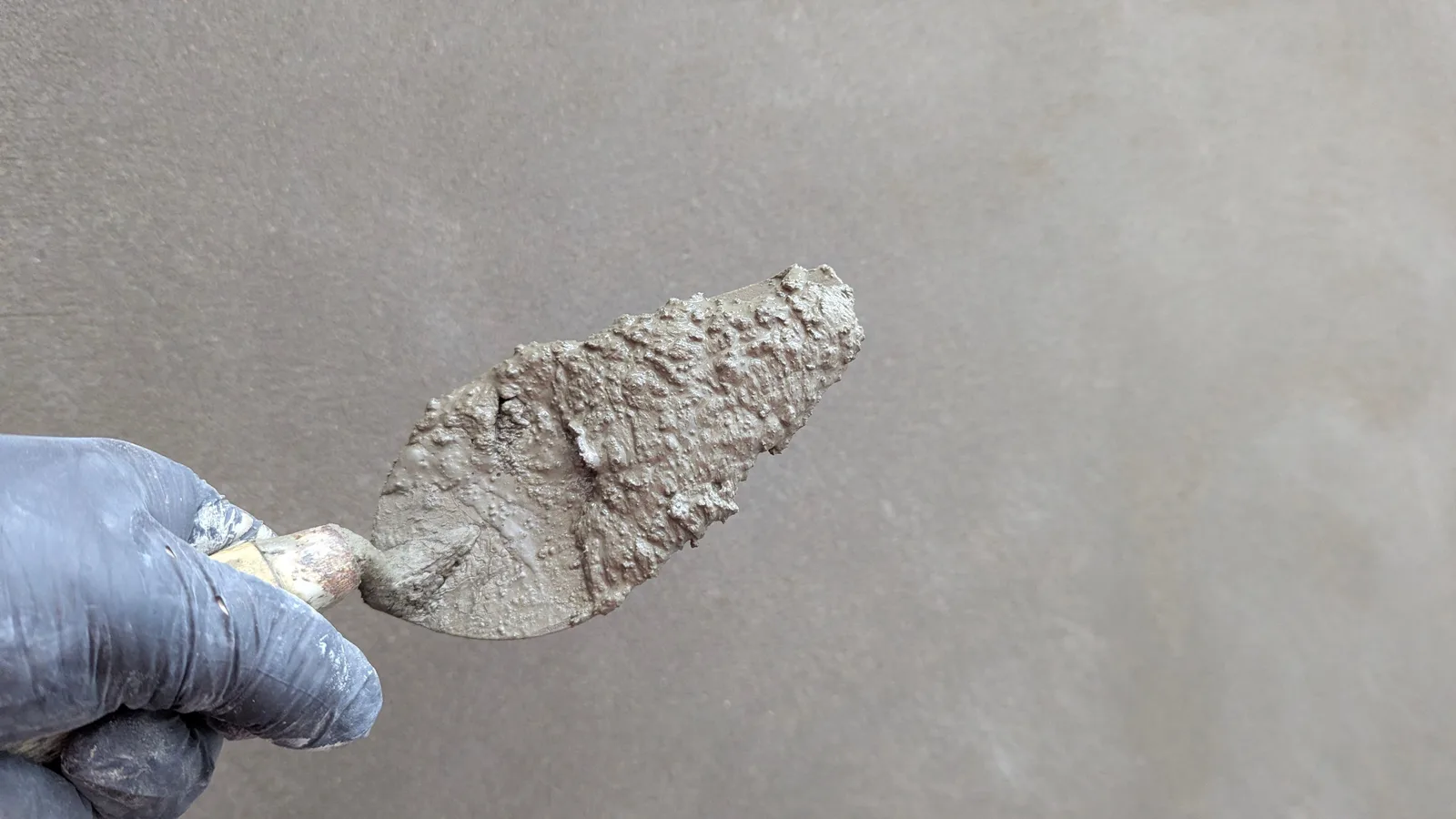
Mixed on site and worked on in small batches, inside or out.
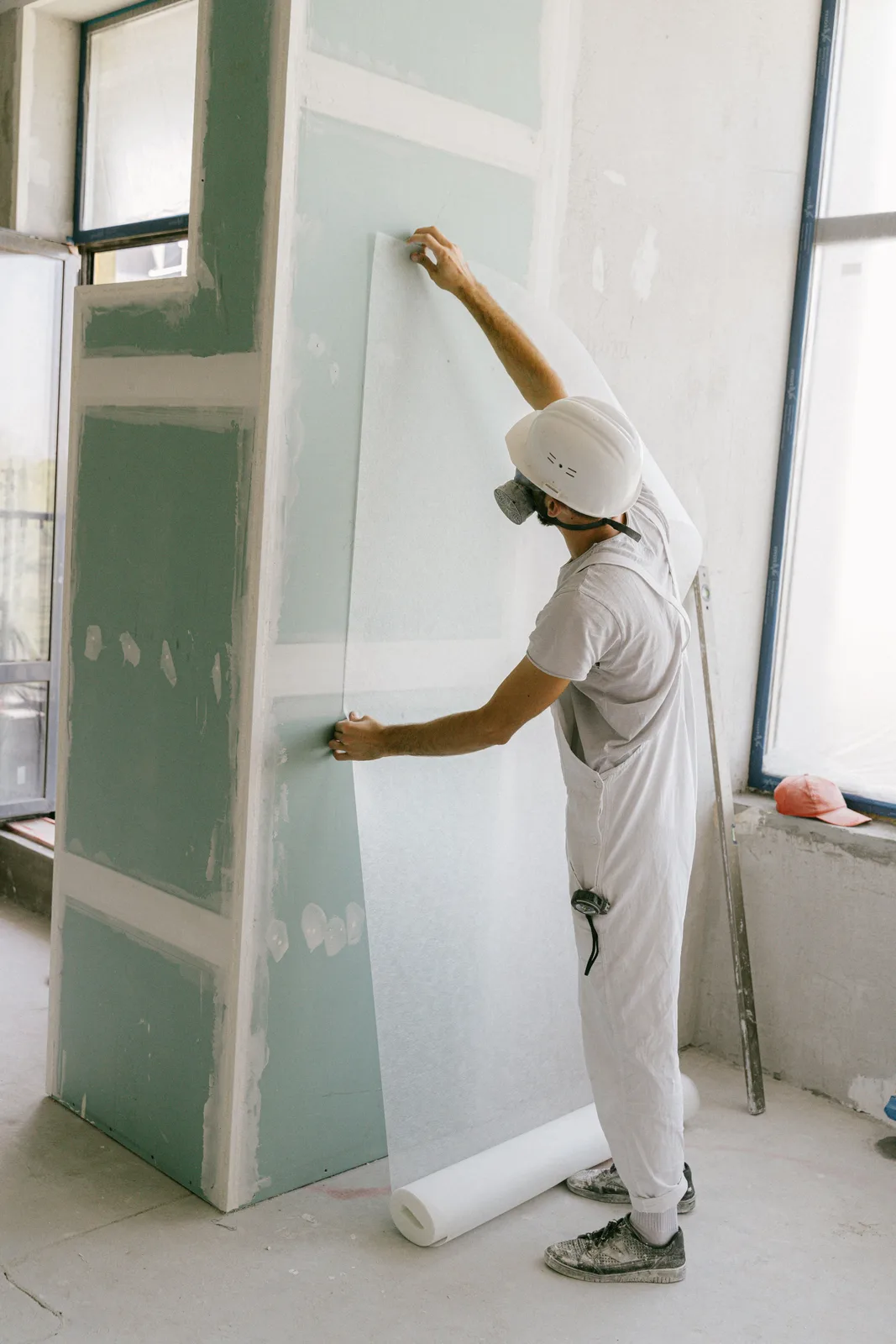
Before it goes on
Most of a render job is what happens first
- Access. Anything above single storey needs proper access — scaffold or a tower, not a ladder and a hope.
- Taking the old off. Everything hollow comes away, back to an edge that is actually stuck down.
- Beads and stops. Corner beads, bell-cast at the bottom so water drips clear of the wall, and stop beads at the edges.
- Protecting what is not being rendered. Windows, frames, paths and planting get covered before a mixer starts.
- Weather. Render does not go on in a frost or in beating rain, and it does not get rushed in a heatwave either. Dates move when the weather says so.
Prices turn on the size of the elevation, the access, and how much of the old material has to come off — which is why rendering is one job that genuinely has to be looked at before it is priced.
What to expect
How the job runs
Send a photo of the wall
A picture of the whole elevation and a close-up of the worst bit is the quickest start.
We come and look
How much is hollow, what the access needs to be, and what is underneath it.
A price and a weather window
Priced on the elevation and the access, and booked around the forecast.
Rendered and cleared
Beads set, coats built up, and everything that got covered uncovered again.
Areas covered
Croydon, and ten miles in every direction
We are based in CR0 and work within a ten mile radius of it. If you are near the edge of that, ring and ask — it depends what else is on that week.
- Croydon CR0
- Thornton Heath
- South Norwood
- Purley
- Coulsdon
- Wallington
- Carshalton
- Sutton
- Mitcham
- Streatham
- Beckenham
- Bromley (west side)
- Caterham
- Warlingham